The Egos, The Ecology and The Economics of Truffle Culture Organizer North American Mycological Association Join Stephanie Jarvis for a virtual presentation on the current events on TRUFFLE […]
The Talk: As humans reshape Earth's biodiversity, conservationists and the public worry about what will happen to animals and plants. But what about fungi? Mushrooms are also on the move, and movements are often mediated by commerce and trade. Humans brought the fungus Amanita phalloides to California, and it is now invasive. How did that happen and why is it spreading?
This lecture is based on a niche evolutionary group of fungi that infect and kill insects, resulting in incredible ecological interactions and beautiful, almost sculptural fruiting bodies. Over the last three years he has found 15 undescribed species in Southeastern Pennsylvania and further south in the Appalachian Mountains of North Carolina, South Carolina, and West Virginia. The most rewarding part has been teaching others how to get out into their backyards and find these incredible organisms!
Damon Tighe is an amateur mycologist from Oakland California who is a big user of the iNaturalist platform. He is a collector for the California Fungal Diversity Survey (FUNDIS) and has done fungal surveys in Ecuador, Arizona, among other locales using iNaturalist as the primary tool to collect and share data with stakeholders. In his professional life he was a former researcher on the Human Genome Project and now helps translate biotechnology techniques into classroom activities for education institutions across the country.
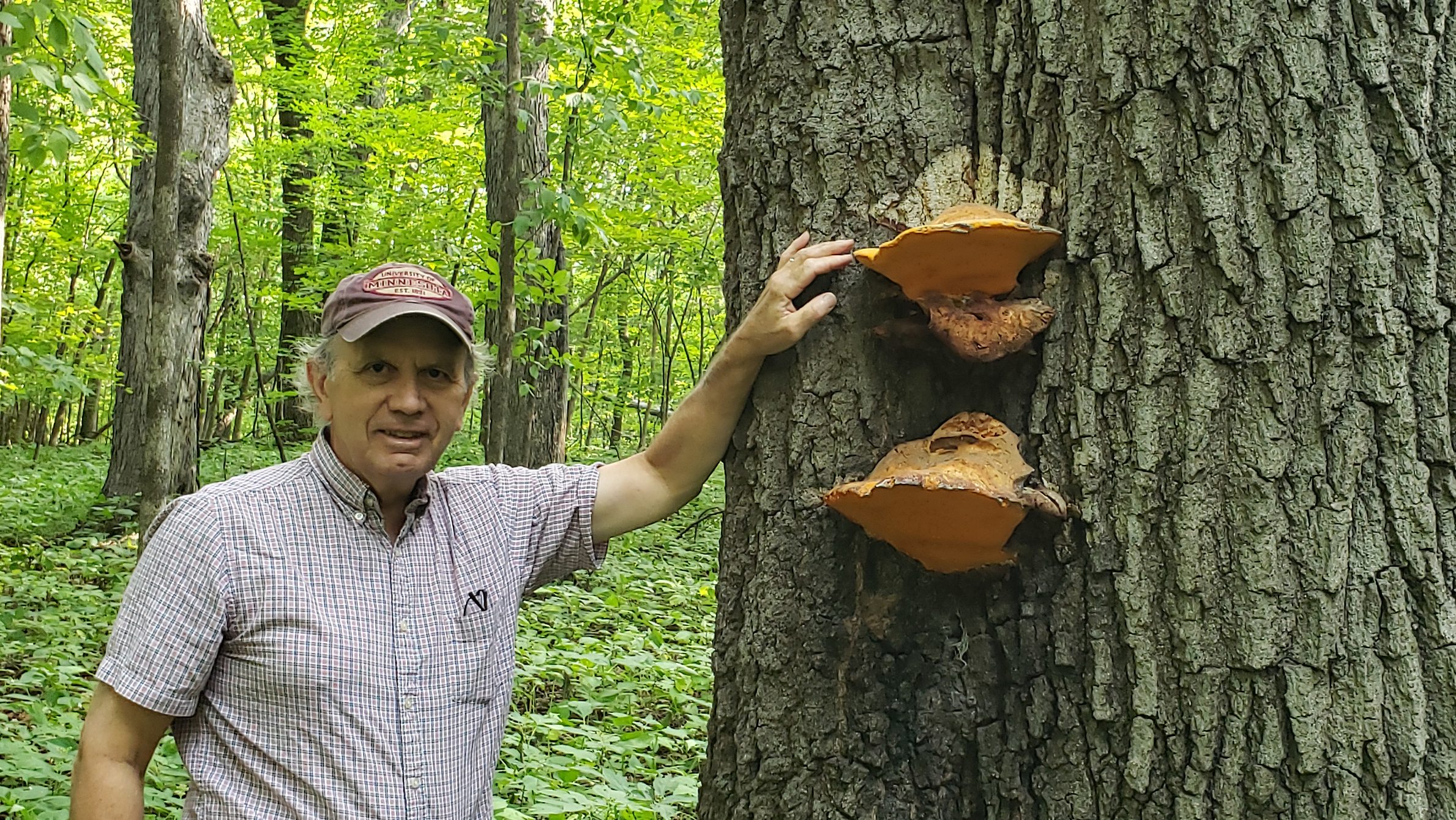
In 1989, a standing forest in Finland was burnt for restoration purposes. It was a first in Finland - and perhaps in the whole of Europe. Collections of wood-decaying polypore fungi were studied on the burn site, beginning a year before the fire and continuing for 33 years after. It is likely that the number of species observed during the study period was a record for any one-hectare forest area in Finland. Several red-listed species were found and in general, the effects of burning appeared to have a positive effect on polypore diversity.
Kaisa Junninen works as a senior specialist on species conservation at Metsähallitus Parks & Wildlife Finland. She is a forest ecologist who has specialized in polypore fungi, deadwood ecology and natural forests, and has been in charge of red-listing polypore fungi in Finland. She is featured in Considering Fungi, Episode 1: Facilitating Habitat Formation in Boreal Forests
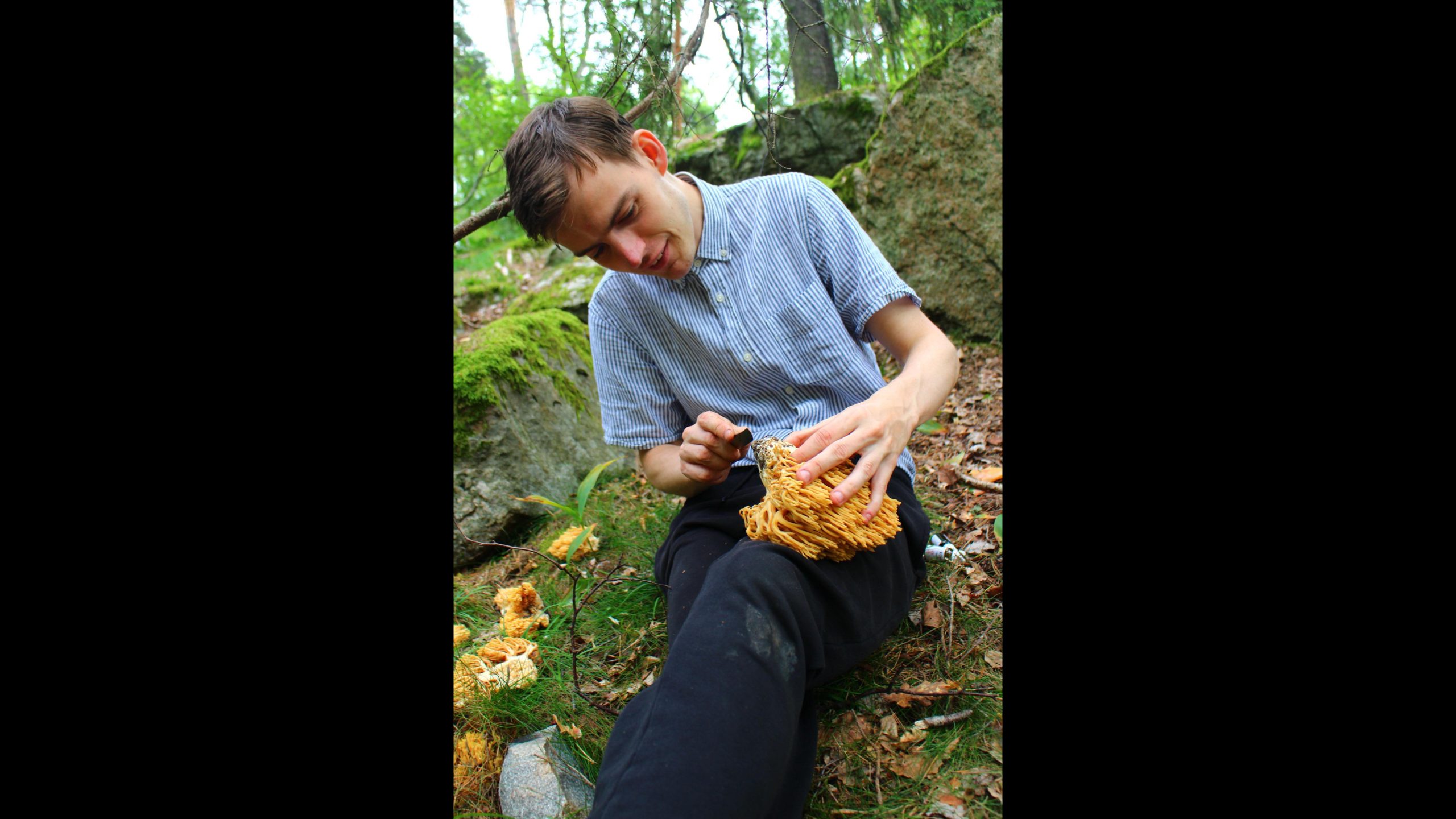
This presentation provides an overview of Ramarioid fungi, beginning with how to distinguish Ramaria from other coralloid fungi (Artomyces, Clavulina, etc.), and how to distinguish Ramaria from other Ramarioid genera within the Gomphales. We will then focus on Ramaria and cover distinguishing features of the subgenera. Further, the importance of documenting field characters for identification will be discussed. Many European species can be identified with proper documentation without microscopy, and it is very likely that similar concepts can be applied in North America. A practical key will be outlined, and notes on DNA sequencing considered.
Since the MycoConsortium of the Northeast is filled with people that have great interest in fungi, this presentation will focus on some of the wonders of the fungal world that Bob has encountered over the past decades. These examples are in his top list of fungi that represent the extraordinary nature of the fungal kingdom – they are fungi with a WOW factor.
The Orbiliomycetes are a class of ascomycetes which belongs to the first which produced ascomata. It only includes one family, Orbiliaceae, with 10 genera and around […]
Please join us on June 27 at 7:30 PM for this year’s introduction to mycology: “What Have we Here?” This newbie-oriented class will prepare you for […]
New York Botanical Garden
2900 Southern Boulevard, Bronx, United States
Walks
Magic Mushroom Weekend September 14 & 15, 2024 11 a.m.–4 p.m. | New York Botanical Garden (Mosholu entrance) In Wonderland, Alice eats a menu of magical […]
New York Botanical Garden
2900 Southern Boulevard, Bronx, United States
Walks
Magic Mushroom Weekend September 14 & 15, 2024 11 a.m.–4 p.m. | New York Botanical Garden (Mosholu entrance) In Wonderland, Alice eats a menu of magical […]
Central Park Arsenal
830 5th Ave, New York, United States
Please join us for a very special in-person lecture at the Central Park Arsenal on Thursday September 26 at 6.30pm!
Alison Pollack presents From Macro to Micro: The Art of Mushroom Photography
Alison Pollack, one of the world's best mushroom photographers, will describe her process for creating beautiful photos of mushrooms and Myxomycetes (slime molds). She will describe her techniques for field work, as well as studio photography using extreme macro lenses and microscope objectives adapted to her camera. She will share some of her photographs of mushrooms and slime molds from her home in Northern California, as well as from her travels around the world. Alison’s favorite photography subjects are tiny fungi and myxos, some so small that you would not see them as you walk through the forest. She will describe how she finds these tiny organisms, most only one or two millimeters tall, and how she photographs them. She will discuss all of the gear she uses, as well as some of her methods for shooting and photo editing.
Lecture information
About the lectures
We have a lecture series that commences in February and usually ends in June, where experts from a variety of fields will present to club members. Lectures cover scientific topics (different types of fungi and the latest discoveries) and hands-on skills (identification and microscopy).
They are currently taking place on Zoom, but hopefully we will be able to have them in person again in the not too distant future. YouTube links for past lectures can be found in the Lectures section of our website, along with information on upcoming lectures.
Angelina rufescens, Elan Trybuch, February 11th, 2023, Cunningham Park, Queens, NY
This website uses cookies to improve your experience. By using this website you agree to our Data Protection Policy.
Opt-out complete; your visits to this website will not be recorded by the Web Analytics tool. Note that if you clear your cookies, delete the opt-out cookie, or if you change computers or Web browsers, you will need to perform the opt-out procedure again.
You may choose to prevent this website from aggregating and analyzing the actions you take here. Doing so will protect your privacy, but will also prevent the owner from learning from your actions and creating a better experience for you and other users.
The tracking opt-out feature requires cookies to be enabled.