
Announcing the fourth NYMS Fungus Festival!
October 7, 2026
2026 Fungus Festival: Thank you to all who participated
October 13, 2026
If you are a NAMA (North American Mycological Association) member, you will be pleased to know that they’ve put together a great lineup of webinars for the fall/winter seasons. These are the speakers that they have planned so far, with more on the way! Registration details and topics will be coming soon.
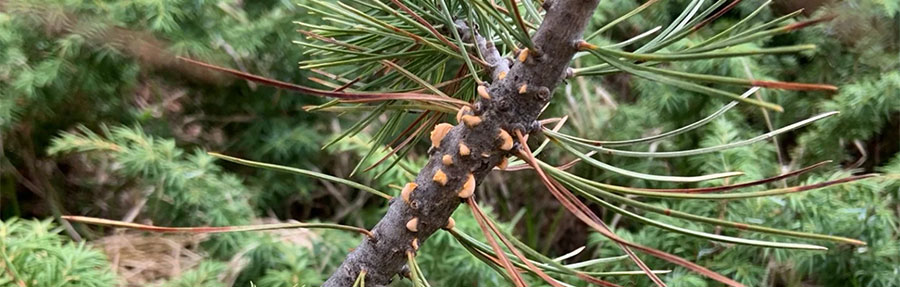
Monday, Nov 9, 2026: Dr. Jane E. Stewart, Diversity, Movement and Hybridization of Rust Fungi, Important Forest Pathogens in Western Forests
Pine rust fungi are complex, yet fascinating basidiomycetes that cause diseases in forest ecosystems in pine forests throughout North America. This talk will focus on the diversity of pine rust species in western forest, their life cycles and host ranges, symptomology for identification, and importance to forest ecosystem health. During this talk, you’ll also learn more about white pine blister rust, an economically and ecologically important invasive rust species that has caused damage on 5-needle pine species throughout North America. Using white pine blister rust as a study organism, we will discuss dissemination of the pathogen across its two host pathogens and its ecological interactions with other rust fungi. We will also learn about how climate variability will alter the impacts of the pathogen. This presentation is well suited for all audiences.
Register here
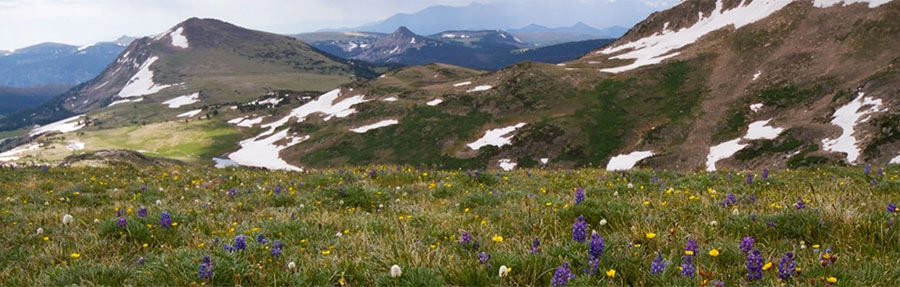
Thursday, Nov 12, 2026: Cathy Cripps, Alpine Mushrooms of North America: Treasures above Treeline
The true ‘alpine’ (strictly above treeline) covers over 70 million acres in North America, and yet, before we started our research, it was a mycological blank spot on the map. Now 25 years later, we have made progress in discovering the diversity of mushrooms and their ecological roles in this harsh high-altitude landscape. This talk will follow the format of my new guidebook on alpine fungi. First it will describe the mushrooms and puffballs of alpine meadows; followed by a look at the tiny mushrooms that live on mosses, liverworts, and algae; and wrap up with a tour of the mycorrhizal mushrooms that thrive in miniature alpine forests, including a Lactarius that fits on the head of a dime, and Amanitas that tower over their dwarf plant partners. Many of the mushroom species in the Rocky Mountain alpine also occur in the Arctic thousands of miles away—and not in between. We will consider how glaciation may have shaped this disjunct distribution and the impact of global warming on these threatened habitats.
Register here
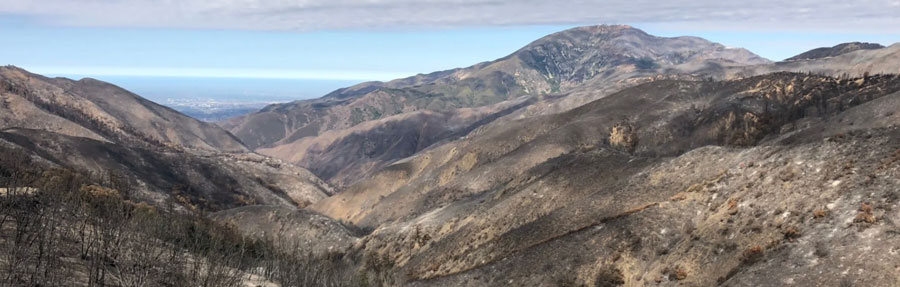
Tuesday, Dec 1, 2026: Dr. Sydney Glassman, Some Like it Hot: Impact of Fires on Microbial Succession and Traits
A tale of two dryland fires, examining the impacts of fires in chaparral shrublands versus iconic Joshua trees in the Mojave desert on fungal biomass, richness, composition, and succession. I use multiple methods including field work, molecular work including microbiomes, metagenomics, metatranscriptomics, and culturing including bioassays, genomics, and transcriptomics to explore the traits of pyrophilous fungi, or fungi that were rare or absent pre-fire, and increase massively in abundance post-fire, and determine how they are able to survive or thrive post-fire.
Register here
Monday, Dec 7, 2026: Esbeiry Cordova-Ortiz
Thursday, Dec 17, 2026: Jaci Braund
Thursday, Jan 14, 2027: Mary Childress
Friday, Jan 22, 2027: Sigrid Jakob & Alfred Drummond-Herdman
4pm PT | 5pm MT | 6pm CT | 7pm ET (12am GMT, Jan 23)
Thursday, Feb 18, 2027: Eva Gordon
Wednesday, Feb 24, 2027: Danielle Stevenson
All webinars are the following timing, except where noted:
5pm PT | 6pm MT | 7pm CT | 8pm ET