NYMS pop-up walk, Inwood Hill Park, Manhattan, Saturday, April 13th
Walks
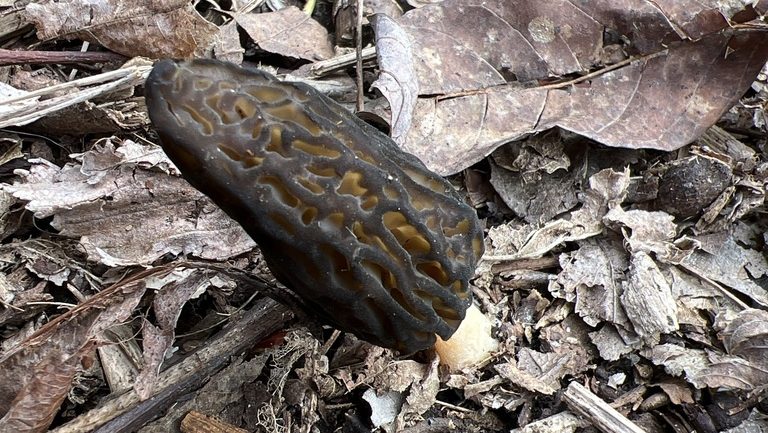
Join us for a walk in Inwood Hill Park, Manhattan this Saturday, April 13th! Bring paper bags for collecting specimens, a hand lens, a knife, a […]
Join us for a walk in Inwood Hill Park, Manhattan this Saturday, April 13th! Bring paper bags for collecting specimens, a hand lens, a knife, a […]
In 1989, a standing forest in Finland was burnt for restoration purposes. It was a first in Finland - and perhaps in the whole of Europe. Collections of wood-decaying polypore fungi were studied on the burn site, beginning a year before the fire and continuing for 33 years after. It is likely that the number of species observed during the study period was a record for any one-hectare forest area in Finland. Several red-listed species were found and in general, the effects of burning appeared to have a positive effect on polypore diversity.
Kaisa Junninen works as a senior specialist on species conservation at Metsähallitus Parks & Wildlife Finland. She is a forest ecologist who has specialized in polypore fungi, deadwood ecology and natural forests, and has been in charge of red-listing polypore fungi in Finland. She is featured in Considering Fungi, Episode 1: Facilitating Habitat Formation in Boreal Forests
Next Monday's week's ID meeting will be happening online.
Rather than using our usual format we're going to experiment a little. Since there are fewer fungi to be found this time of year, we'll be diving deeper into genera that a lot of people are interested in. This Monday the spotlight is on the milky caps - Lactarius and Lactifluus, hosted and moderated by the club's own expert Bethany Beech.
Bring your most exciting or confounding milky cap observations and let's figure them out together.
As always we encourage you to use iNaturalist to share your observations - it's a great way to keep track of your finds, and you will be able to participate in these two NYMS projects:
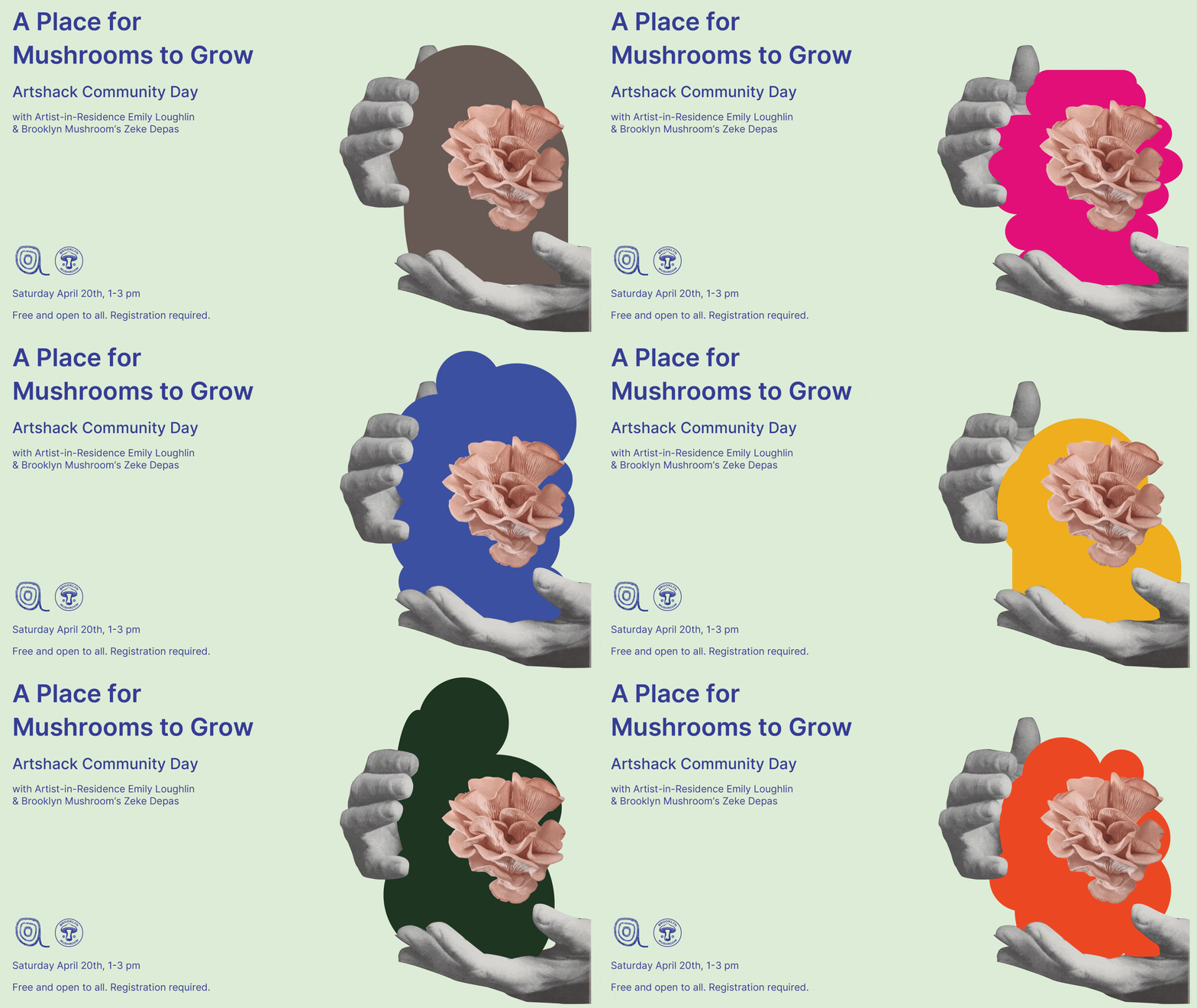
At this free Artshack Community Day, join Artist in Residence Emily Loughlin to learn about mycology and symbiotic forest relationships while coil-building playful vessels for mushroom cultivation. Emily Loughlin's exhibition Biomineral Topographies is on view at Keepsake Gallery through May 2.
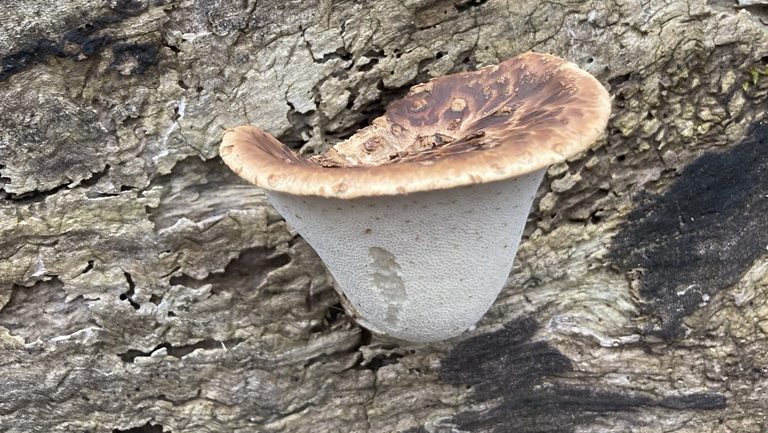
Join us for a walk in Alley Pond Park, Queens this Sunday, April 21st! Come out and enjoy the spring weather! While the highly anticipated summer […]
Celebrate Earth Day with us on Sunday April 21 from 1-3 pm with an afternoon of mushroom themed kids crafts!
Activities will include:
Kids of all ages are welcome!
Completely free!
Art materials provided!
Next Monday's ID meeting will take place from 6.30 to 8.30 in person.
Attendees can of course arrive later and leave earlier.
Please bring any interesting specimens regardless of whether you have identified them or not, and check out what others have found.
In person ID meetings are a great way of developing your hands-on identification skills and dipping your toes into microscopy!
NYMS member Sneha Ganguly is teaching a workshop on myco-materials and pigments at Biotech without Borders, a community lab co-led by Ellen Jorgensen, who is also a long-time NYMS member.
From the organizers:
Join us for an interactive lecture that will be a primer on fungal-based materials and pigments including a survey of wild mushroom varieties, recent scientific research and historical uses. The class will explore fungal materiality in its magnitudes, from fungal biology to the emerging fields in biological- arts, materials, and technology.
Class will open with a tasting of chaga tea sweetened with this season’s maple syrup to get things flowing. There will be a table display of fungal artworks and materials for all to engage with.
We will begin with a topical introduction in ethnomycology, followed by an overview of mycological basics with emphasis on materials science. We will dive into the nuances of chitin, mycelium and mushroom-based materials, including mycelium composite materials and mushroom paper. We will learn about fungal pigments through the alchemy of dyes, inks, mordants and their preparations, as well as extraordinary exudates such as latex and spalting.
We will reflect on the sensorial ecologies of fungi and how it might inform our practices and collaborations with the natural world. And conclude with critical discourse on ethics and sustainability, in the advent of the commodification of myco-materials in industry.
Questions will be encouraged throughout the presentation.
This class is perfect for those who are interested in the natural world, materials science, and art-making. No prior knowledge is needed. All ages and experience levels are welcome.
Schedule
6:30 – 7:00 Welcome / Tea
7:00 – 8:30 Presentation / Q&A
About the teacher
Sneha Ganguly also known as Kali Mushrooms, is an interdisciplinary artist working through the intersection of fine art and mycology. Sneha identifies and studies wild fungi with a special interest in biological materials and pigments, and synthesizes their alchemical and chitinous properties to create handmade papers, inks, dyes and extracts. Her work explores the potential of novel mushroom- and mycelium-based materials as an artistic medium, to communicate modern mythologies on fungal science, animisms, and lessons from the wild. As part of the New York Mycological Society, Sneha founded NYC’s inaugural Fungus Festival. She is co-founder of the POC Fungi Community. And she instructs courses on mycology and mushroom cultivation for Cornell Small Farms, as well as for parks, community and cultural organizations in the metro area.
www.kalimushrooms.com
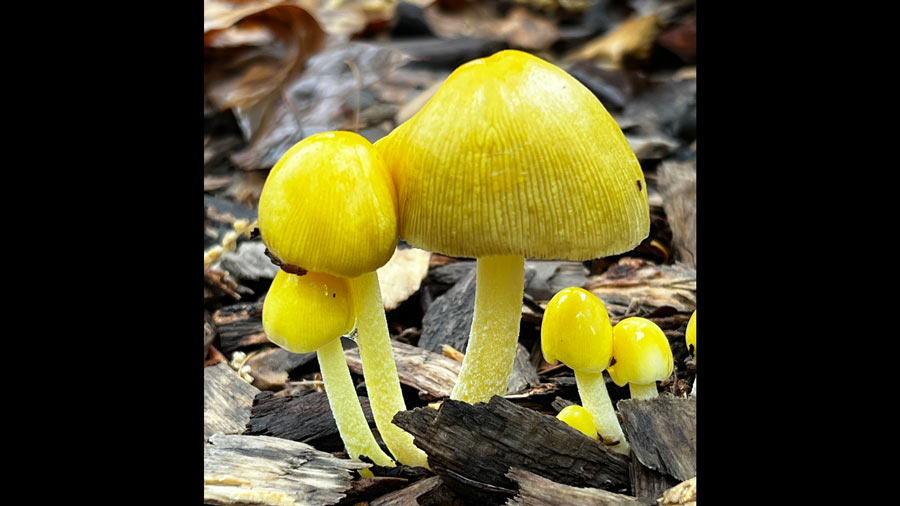
Join us for a walk in Prospect Park, Brooklyn this Saturday, April 27th! The early season mushrooms are getting started, plus we should see the ascomycetes, […]
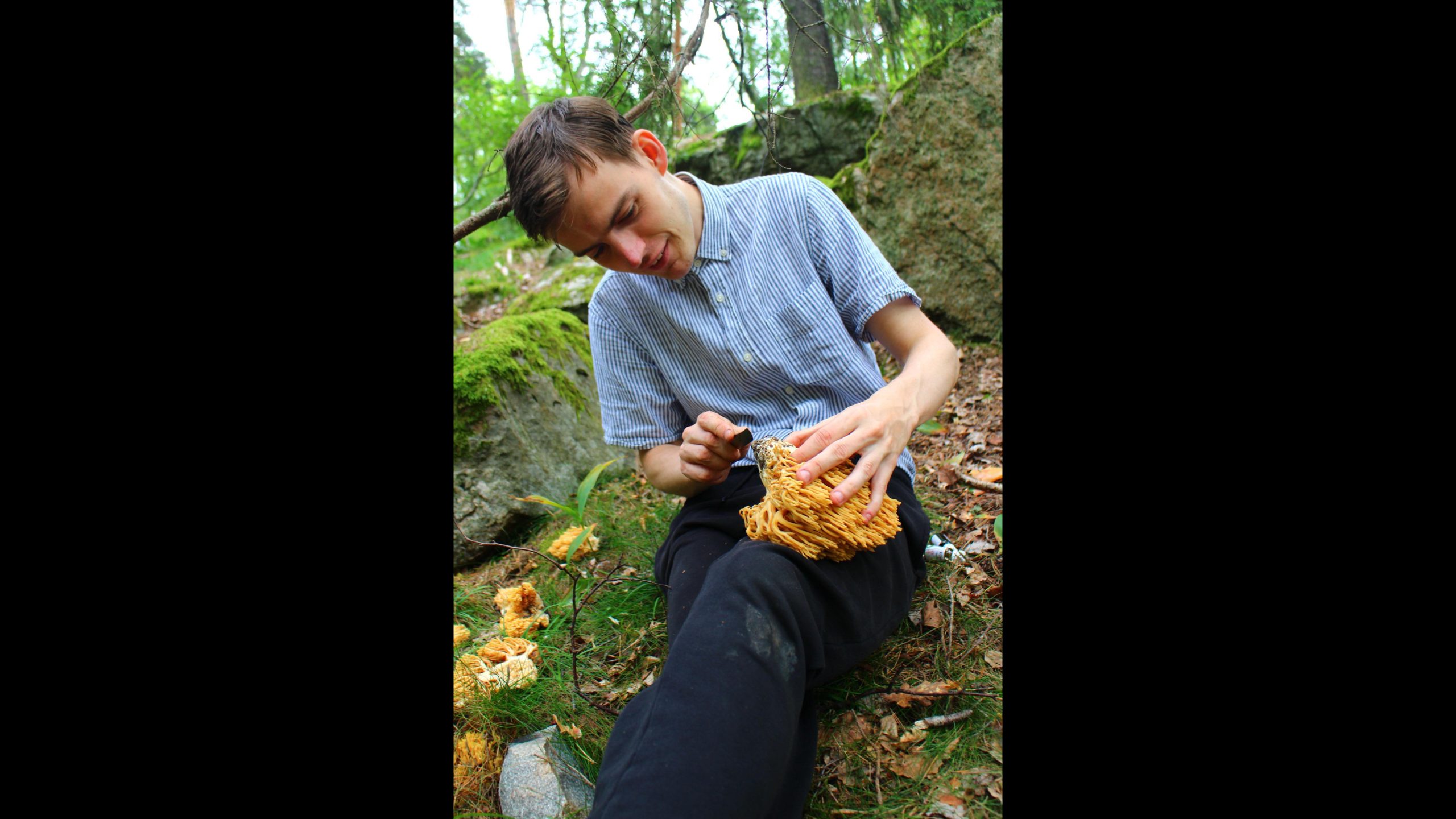
This presentation provides an overview of Ramarioid fungi, beginning with how to distinguish Ramaria from other coralloid fungi (Artomyces, Clavulina, etc.), and how to distinguish Ramaria from other Ramarioid genera within the Gomphales. We will then focus on Ramaria and cover distinguishing features of the subgenera. Further, the importance of documenting field characters for identification will be discussed. Many European species can be identified with proper documentation without microscopy, and it is very likely that similar concepts can be applied in North America. A practical key will be outlined, and notes on DNA sequencing considered.
Next Monday's week's ID meeting will be happening online.
Rather than using our usual format we're going to experiment a little. Since there are fewer fungi to be found this time of year, we'll be diving deeper into genera that a lot of people are interested in. This Monday the spotlight is on the milky caps - Lactarius and Lactifluus, hosted and moderated by the club's own expert Bethany Beech.
Bring your most exciting or confounding milky cap observations and let's figure them out together.
As always we encourage you to use iNaturalist to share your observations - it's a great way to keep track of your finds, and you will be able to participate in these two NYMS projects:
Join us for a walk in Van Cortlandt Park East, Bronx this Saturday, May 4th! The early season mushrooms are getting started. Some gilled fungi that […]

You may choose to prevent this website from aggregating and analyzing the actions you take here. Doing so will protect your privacy, but will also prevent the owner from learning from your actions and creating a better experience for you and other users.