Announcing the fourth NYMS Fungus Festival!
October 7, 2026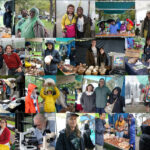
2026 Fungus Festival: Thank you to all who participated
October 13, 2026
If you are a NAMA (North American Mycological Association) member, you will be pleased to know that they’ve put together a great lineup of webinars for the fall/winter seasons. These are the speakers that they have planned so far, with more on the way! Registration details and topics will be coming soon.
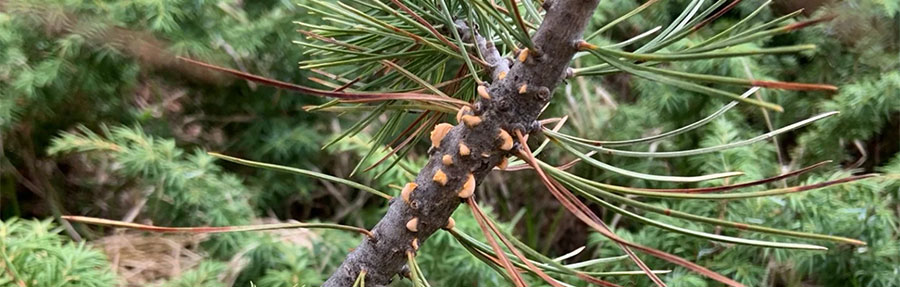
Monday, Nov 9, 2026: Dr. Jane E. Stewart, Diversity, Movement and Hybridization of Rust Fungi, Important Forest Pathogens in Western Forests
Pine rust fungi are complex, yet fascinating basidiomycetes that cause diseases in forest ecosystems in pine forests throughout North America. This talk will focus on the diversity of pine rust species in western forest, their life cycles and host ranges, symptomology for identification, and importance to forest ecosystem health. During this talk, you’ll also learn more about white pine blister rust, an economically and ecologically important invasive rust species that has caused damage on 5-needle pine species throughout North America. Using white pine blister rust as a study organism, we will discuss dissemination of the pathogen across its two host pathogens and its ecological interactions with other rust fungi. We will also learn about how climate variability will alter the impacts of the pathogen. This presentation is well suited for all audiences.
Register here
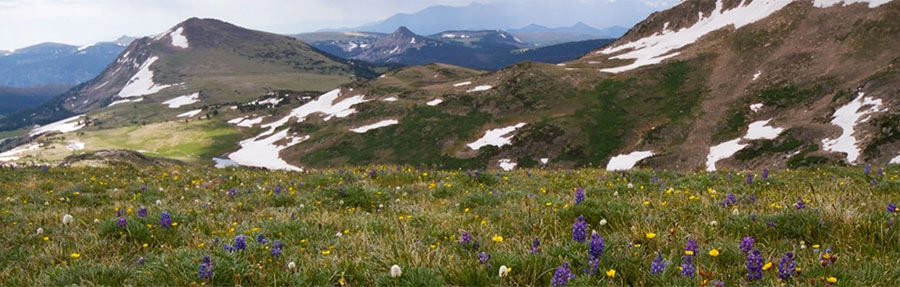
Thursday, Nov 12, 2026: Cathy Cripps, Alpine Mushrooms of North America: Treasures above Treeline
The true ‘alpine’ (strictly above treeline) covers over 70 million acres in North America, and yet, before we started our research, it was a mycological blank spot on the map. Now 25 years later, we have made progress in discovering the diversity of mushrooms and their ecological roles in this harsh high-altitude landscape. This talk will follow the format of my new guidebook on alpine fungi. First it will describe the mushrooms and puffballs of alpine meadows; followed by a look at the tiny mushrooms that live on mosses, liverworts, and algae; and wrap up with a tour of the mycorrhizal mushrooms that thrive in miniature alpine forests, including a Lactarius that fits on the head of a dime, and Amanitas that tower over their dwarf plant partners. Many of the mushroom species in the Rocky Mountain alpine also occur in the Arctic thousands of miles away—and not in between. We will consider how glaciation may have shaped this disjunct distribution and the impact of global warming on these threatened habitats.
Register here
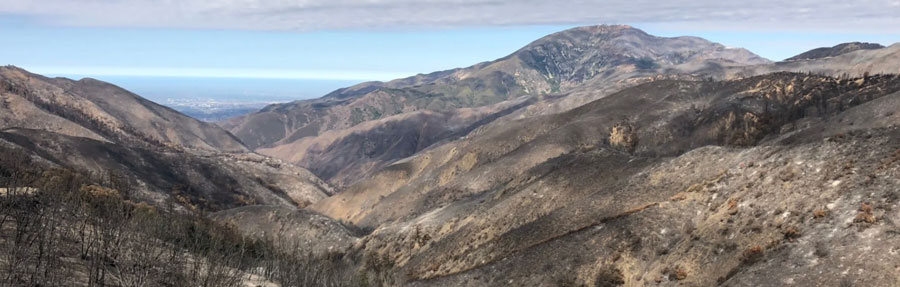
Tuesday, Dec 1, 2026: Dr. Sydney Glassman, Some Like it Hot: Impact of Fires on Microbial Succession and Traits
A tale of two dryland fires, examining the impacts of fires in chaparral shrublands versus iconic Joshua trees in the Mojave desert on fungal biomass, richness, composition, and succession. I use multiple methods including field work, molecular work including microbiomes, metagenomics, metatranscriptomics, and culturing including bioassays, genomics, and transcriptomics to explore the traits of pyrophilous fungi, or fungi that were rare or absent pre-fire, and increase massively in abundance post-fire, and determine how they are able to survive or thrive post-fire.
Register here
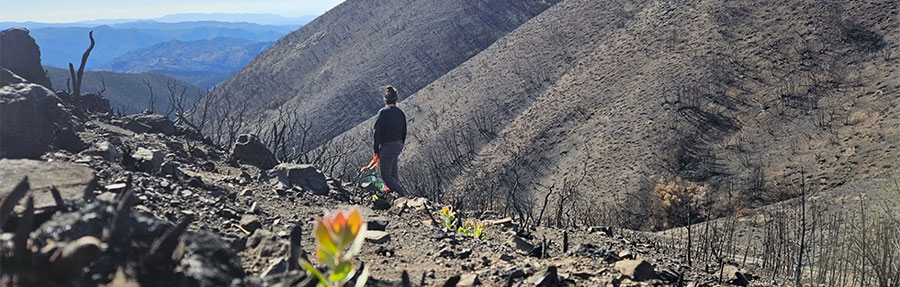
Monday, December 7: Repeated Fires, Changing Communities: Fungal Recovery in California’s Reburned Mediterranean Shrublands, Esbeiry Cordova-Ortiz
Wildfires are a natural part of California’s Mediterranean shrublands, historically occurring every 30–60 years, but what happens when fires return more frequently? While we often focus on how plants and animals recover after wildfires, an indispensable community is also recovering beneath our feet: soil fungi! We’ll discuss how fungi respond to repeated wildfires in Southern California’s chaparral ecosystems. Drawing on field research, we’ll explore how fungal diversity and community composition change in soils that have experienced a single fire versus multiple fires within a short period. This talk is intended for everyone, from mushroom enthusiasts and naturalists to students, land managers, and researchers. Attendees will walk away understanding why soil fungi are important for ecosystem recovery after wildfire, which fungi tend to thrive after fire and which are more sensitive to disturbance, how repeated fires affect fungal diversity and community composition compared with a single fire, and what these changes can tell us about the recovery of chaparral ecosystems as wildfires become more frequent.
Register here
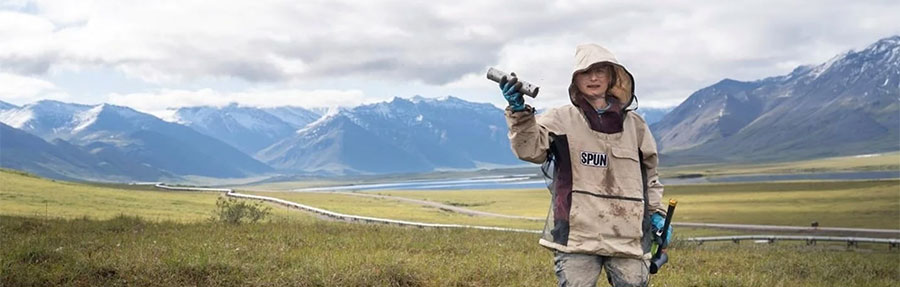
Wednesday, December 9: Dr. Anne Polyakov, Restoring the Underground: What It Really Takes to Bring Fungi Back
Mycorrhizal fungi help plants find water and nutrients, hold soil together, and give seedlings a better shot at survival, so restoration projects increasingly try to add them back to degraded land. But how is that being done in practice, and is it working?
Anne Polyakov, a fungal ecologist, reviewed 105 restoration studies that used mycorrhizal fungi and compared what the science recommends with what actually happens on the ground. She’ll also share a field example from the Mojave Desert, where she and her collaborators are testing whether mycorrhizal fungal communities might be the reason why young Joshua Trees are not surviving in restoration projects. It’s an example of the “test before you inoculate” step that most projects skip.
You’ll come away knowing:
- The main ways to reintroduce fungi (commercial products, whole-soil transfer, and trap cultures) and why native soil often outperforms off-the-shelf products.
- Why fewer than 1 in 10 projects check whether a site actually needs fungi before adding them
- How “green deserts” happen: sites that look restored above ground while the soil community lags behind
- A simple five-step approach (survey, test, decide, monitor, adapt) for bringing fungi back
Thursday, December 10: Andrew Kunik, Unstumping Gymnopilus: Greenhouse Experiments and Type-Specimen DNA Untangle a Confounding Taxonomic Legacy
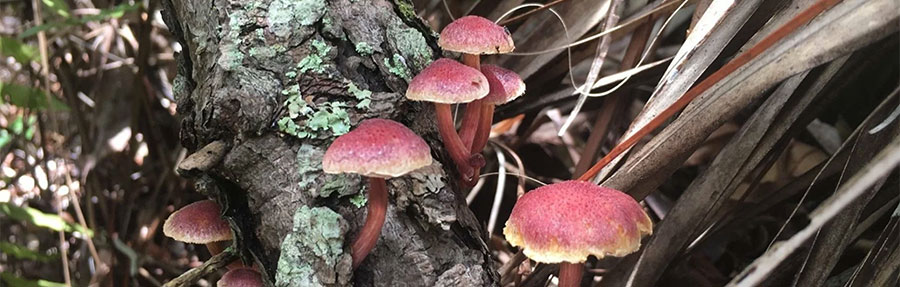
The genus Gymnopilus, sometimes called the “laughing gyms,” includes some of North America’s most colorful and chemically intriguing mushrooms. Despite their familiarity to mushroom enthusiasts, many species remain difficult to distinguish, and their taxonomy has been confused for more than a century. In this talk, Andrew Kunik will explore the diversity of North American Gymnopilus, drawing on recent research combining DNA sequencing of historic type specimens, greenhouse cultivation, and field collections. Through a series of species-focused examples, he will show how revisiting original collections can reveal previously unrecognized relationships and clarify what familiar species names actually represent. Attendees will learn how environmental conditions can dramatically alter mushroom appearance, sometimes obscuring characters traditionally used for identification. Drawing on extensive fieldwork, Andrew will discuss which morphological characters are most reliable and how habitat and geographic distribution can help distinguish species. This talk is intended for mushroom enthusiasts of all experience levels, particularly those interested in identification, taxonomy, and fungal biodiversity.
Register here
Tuesday, December 15: Will Bieker, The world’s toughest microbial communities and what they tell us about fungal and bacterial structure
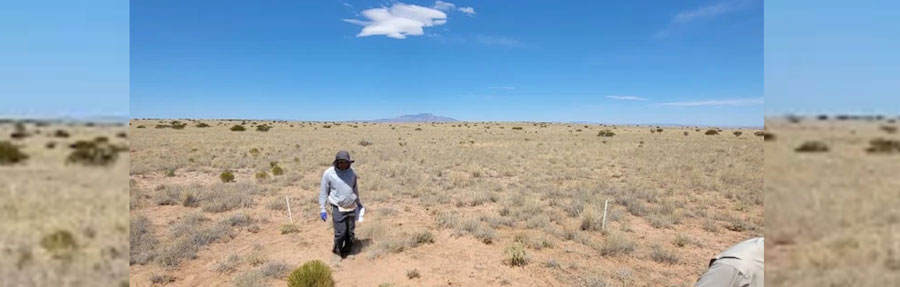
Biocrusts are soil surface communities of microbes that cover a large proportion of the Earth’s dryland ecosystems. These communities prevent the erosion of soils, increase water infiltration and fix nitrogen and carbon, but all these services are under threat from anthropogenic disturbance. I will give an overview of biocrusts and share my most recent findings on how they are affected by disturbance. I will also discuss modern techniques in microbiology and how we are using them to understand soil communities.
Register here
Thursday, December 17: Jaci Braund, Elevating Fungi for Conservation with FUNDIS
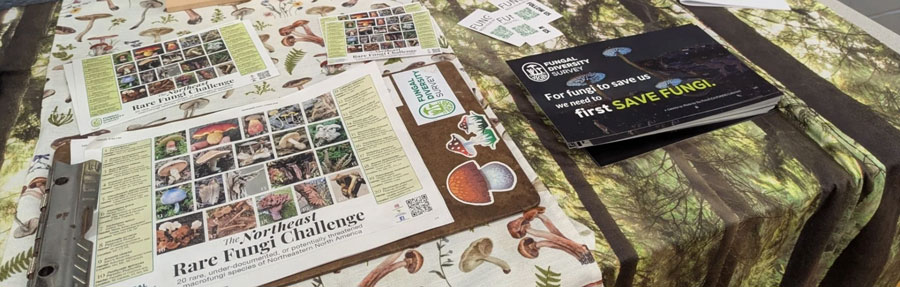
While plants and animals have long received dedicated conservation attention in North America, fungi are only now stepping into the spotlight. How does conservation work for fungi, and how does it differ from plants and animals? Join us for an insightful session exploring how the Fungal Diversity Survey (FUNDIS) is turning community science into strategic, real-world protections. We will explain the science behind conservation rankings, breaking down what labels like Threatened or Endangered actually mean, before comparing global standards like the IUCN Red List with local state statuses. We will outline the emerging strategy for moving community science observations onto official environmental review maps, and discuss why building this pathway for fungi has taken time. We will also cover how monitoring and documenting local ecology helps scientists understand threats and trends, and how these details feed directly into conservation rankings. This webinar is open to anyone who is interested in the conservation and protection of rare species, and will be presented in an accessible, step-by-step format.
Register here
Thursday, Jan 14, 2027: Mary Childress
Friday, Jan 22, 2027: Sigrid Jakob & Alfred Drummond-Herdman
4pm PT | 5pm MT | 6pm CT | 7pm ET (12am GMT, Jan 23)
Thursday, Feb 18, 2027: Eva Gordon
Wednesday, Feb 24, 2027: Danielle Stevenson
All webinars are the following timing, except where noted:
5pm PT | 6pm MT | 7pm CT | 8pm ET