Hidden Worlds: The Impossible Life of a Slime Mold
July 5, 2026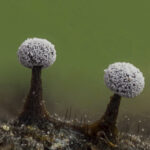
Discover the Hidden World of Myxomycetes
July 19, 2026

The Beauty of Myxomycetes
One of the greatest surprises awaiting anyone who begins studying slime molds is their extraordinary beauty.
Many species measure less than a millimeter tall, yet their fruiting bodies display a level of architectural complexity that rivals flowers, corals, and even works of art.
Some appear as shimmering metallic spheres balanced atop delicate stalks. Others resemble clusters of coral, tiny goblets, intricate lacework, or miniature forests emerging from the bark of fallen trees.
Viewed with the naked eye, many slime molds appear as little more than colorful dots. Under a macro lens, they reveal elaborate textures and vibrant colors. Under the microscope, another hidden world emerges.
Spores become covered with delicate ornamentation. Capillitium threads weave intricate networks that help disperse spores. Lime deposits form crystalline structures unique to certain groups. Every feature contributes not only to their beauty but also to their identification.
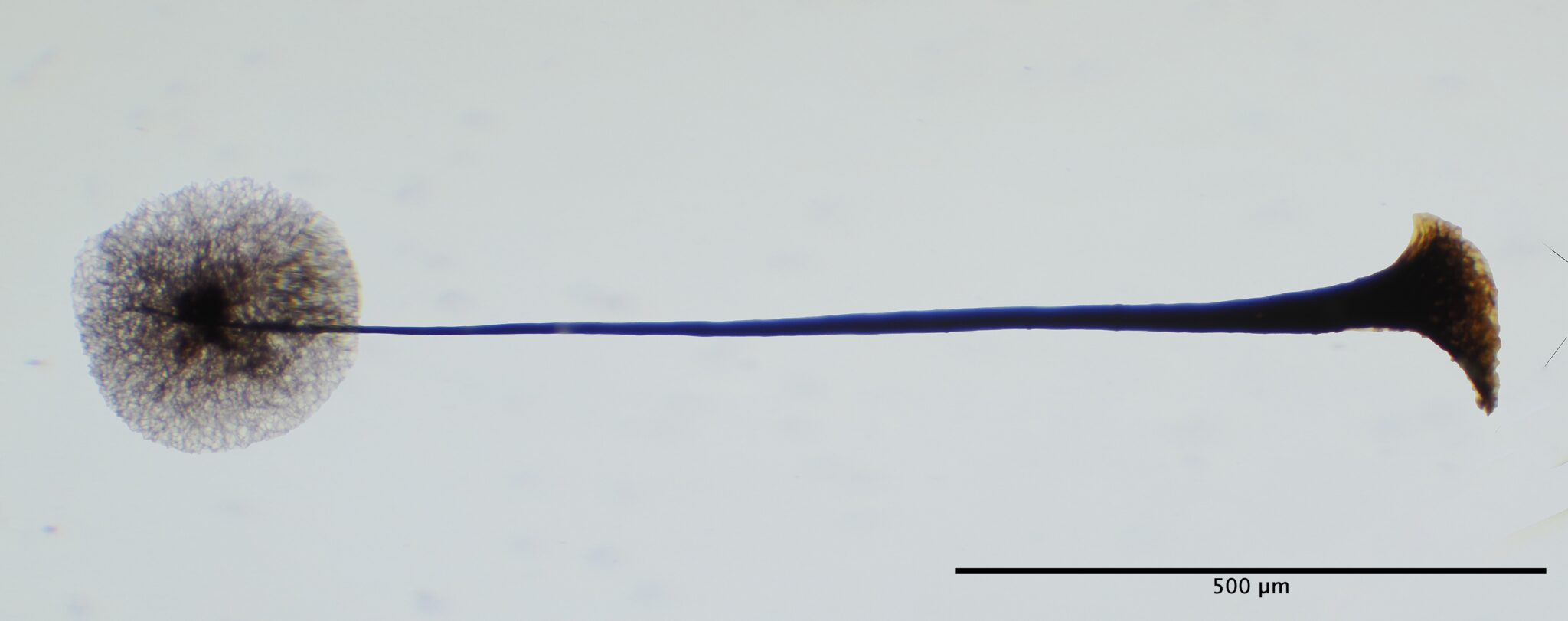
For many naturalists, photographing slime molds becomes a lifelong pursuit. Their fleeting appearance means no two encounters are exactly alike. A single rainstorm can reveal species that vanish within days.
This incredible diversity also makes Myxomycetes one of the most rewarding groups for amateur naturalists. With patience, careful observation, and a willingness to look closely, remarkable discoveries can be made in parks, forests, and even neighborhood green spaces.
Nature often hides its greatest beauty in its smallest creations.
Slime molds remind us that wonder doesn’t require grand landscapes or towering trees. Sometimes it exists on the surface of a fallen twig, waiting for someone to notice.
Ready to Look Closer?
In our online Myxomycetes course, you’ll learn how to recognize the major groups, photograph them in the field, and identify their microscopic features using practical techniques suitable for beginners and experienced naturalists alike.