
Habitats and Ecological Roles
Estimated Time: 10–15 minutes
Course: Myxomycetes 101 — Introduction to Slime Molds
Lesson Type: Reading + Media (self-paced)
1. Where Slime Molds Live
Myxomycetes thrive wherever there is moisture, organic matter, and microbial food.
Though they are microscopic at some stages, they often form visible fruiting bodies on the surfaces of living and decaying wood, bark, leaf litter, plants, grasses and moss.
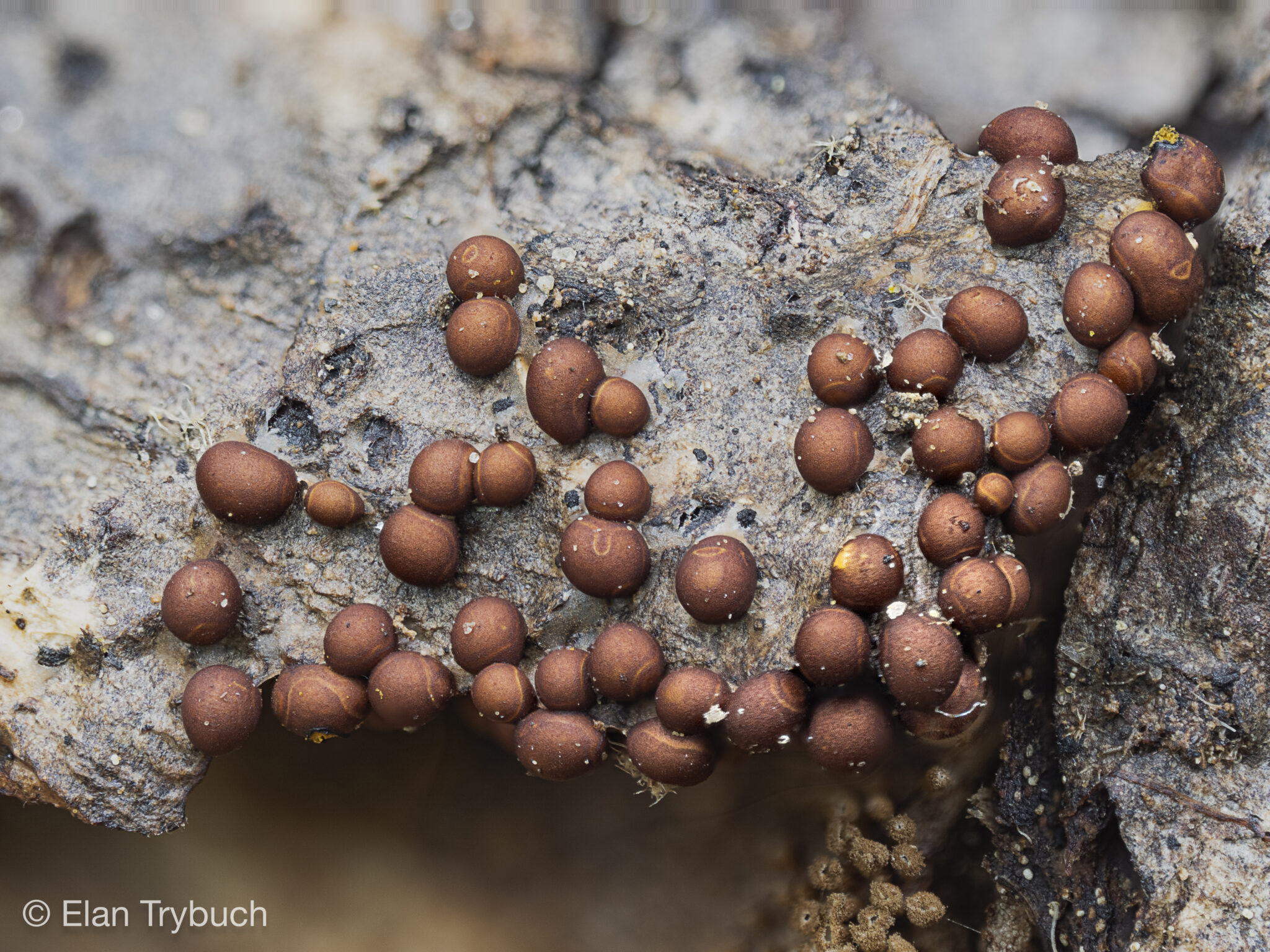
Perichena corticalis — Slime molds colonize a variety of organic substrates, from rotting logs to mossy stones.
2. Typical Substrates
Let’s break down where slime molds are most commonly found:
-
Decaying Wood:
Fallen branches, logs, and stumps provide both structure and microbial food. Many species (e.g., Arcyria, Hemitrichia) prefer wood in various stages of decomposition.
-
Bark:
Loose, peeling, or moist bark is a prime site for small fruiting bodies.
-
Leaf Litter:
Moist detritus on the forest floor supports many species, especially in temperate and tropical forests.
-
Mosses and Liverworts:
Dense mats retain moisture and microbe-rich environments, making them ideal for plasmodial growth and sporulation.
Fun Fact:
Some myxomycetes appear only on very specific substrates, making substrate selection an important clue for field identification.
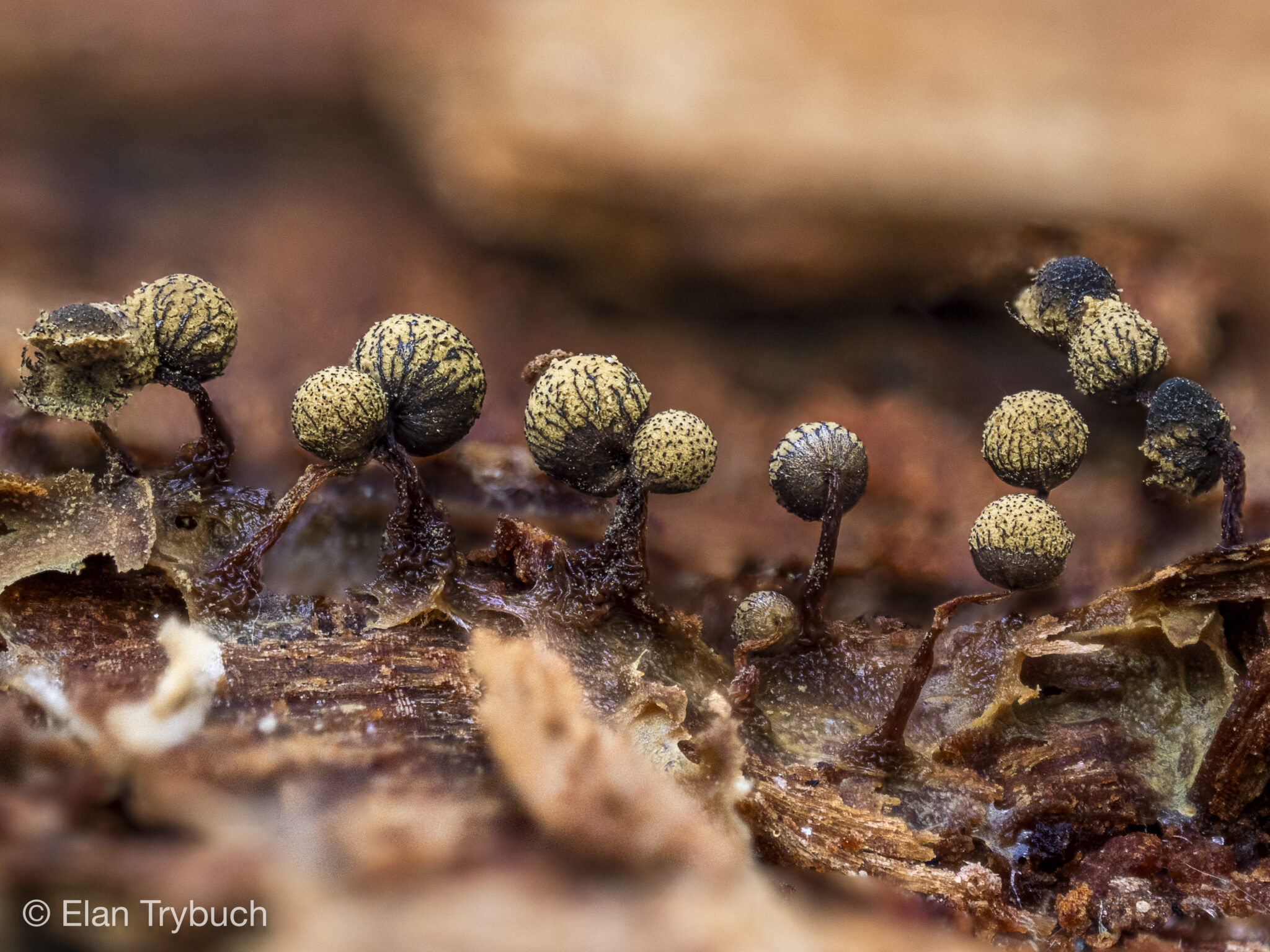
Slime molds, like this Cribraria vulgaris, colonize a variety of organic substrates, from rotting logs to mossy stones.
3. Urban vs. Forest Environments
Slime molds are not limited to wild forests. They are surprisingly cosmopolitan, appearing in urban settings as well:
Urban Habitats:
-
City parks, fallen leaves, mulch, and garden beds.
-
Sidewalk cracks, damp walls, and compost piles.
Forest Habitats:
-
Undisturbed leaf litter, decaying logs, rotting stumps.
-
High humidity and shaded micro environments promote diverse species.
Observation Tip:
Urban explorers can find slime molds in parks, on street trees, or even on compost heaps after rain. Forests, however, often host the highest diversity, including rarely found species.
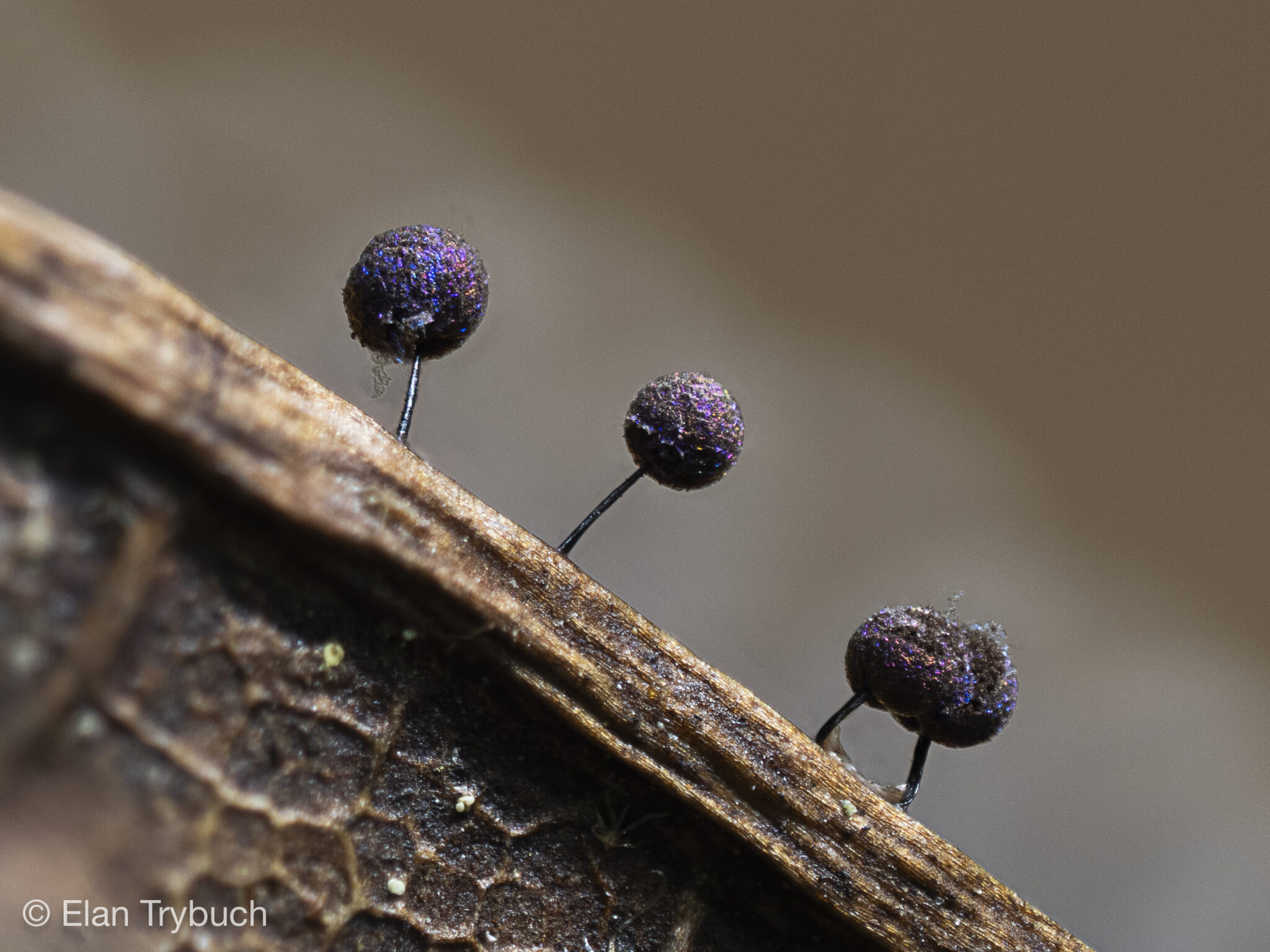
Even in cities, a Lamproderma scintillans slime molds can find a microhabitat rich in moisture and microbes in which it will grow.
4. The Ecological Role of Slime Molds
Beyond their mesmerizing life cycles, slime molds play a crucial role in ecosystems:
-
Decomposition:
They consume bacteria, fungal spores, and decaying organic matter, accelerating nutrient cycling. Large plasmodia also feed on fungal hyphae or even pretty large fungal fruiting bodies!
They do not decompose wood/litter directly, since they engulf their food and do not have external enzymes, but they still play an important role.
-
Soil Health:
By breaking down leaf litter and wood, slime molds contribute to soil fertility and microbe diversity.
-
Food Web:
While not a major food source for most animals, their presence supports microbial food chains and provides prey for small invertebrates.
Fun Fact:
Some studies show slime molds can influence microbial community composition in their habitat, acting as natural regulators of bacteria populations.
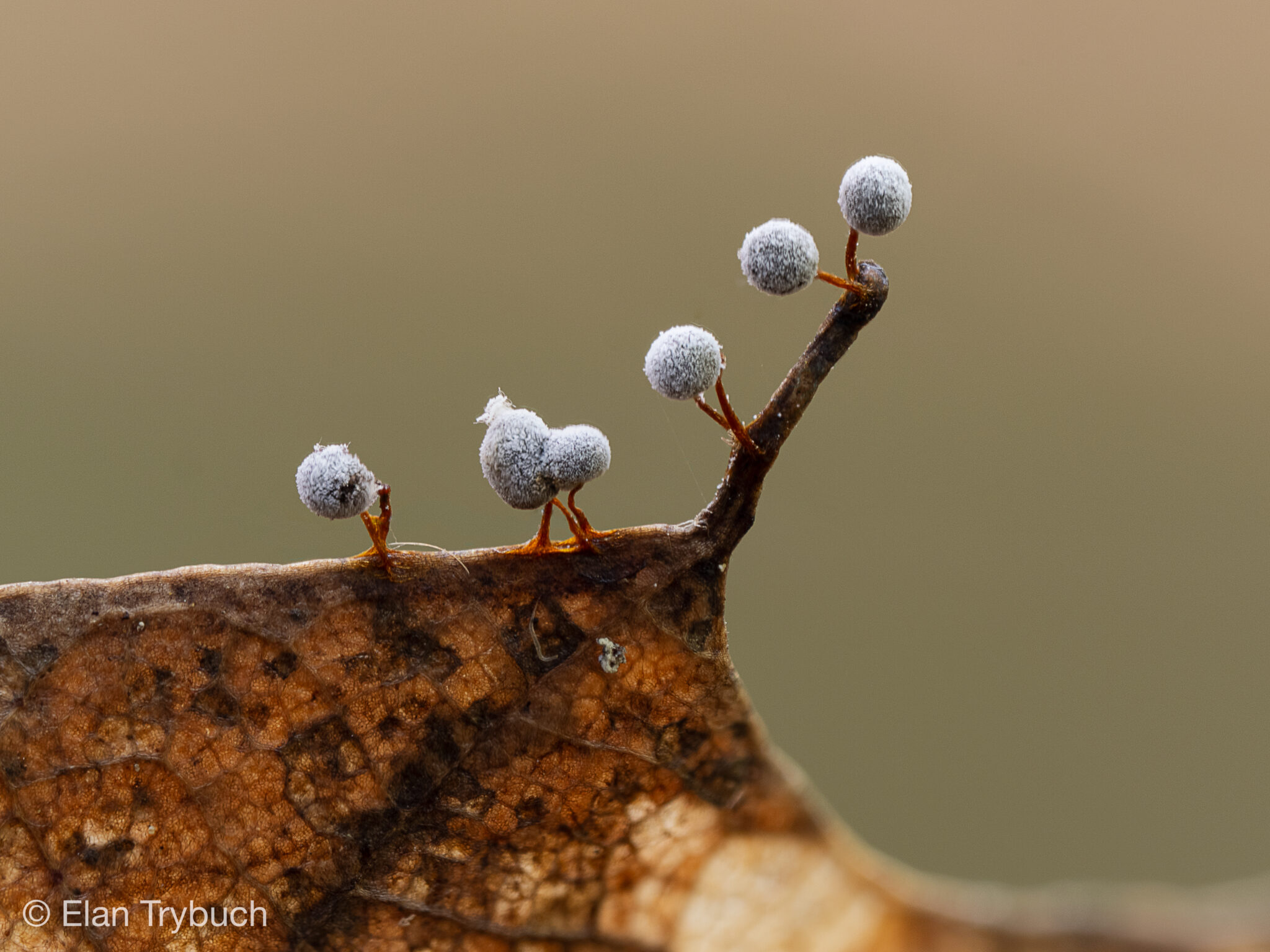
Didymium sp. — Slime molds help break down organic matter, turning fallen leaves and rotting wood into nutrients for the ecosystem.
5. Adaptations for Habitat Survival
-
Moisture dependence: Most species require damp conditions; spores and cysts allow survival during dry periods.
-
Microhabitat selection: Even within a log or leaf pile, microenvironments of shade, temperature, and moisture determine species distribution.
-
Rapid fruiting: When conditions are ideal, plasmodia quickly form fruiting bodies to disperse spores before conditions change.